Emotional Regulation Chart
As an autistic person, I know many people see my struggle with emotional regulation as a sign of being “childish”.
But what they don’t realize is how physically painful intense emotions can be for neurodivergent people.
My emotions don’t always show up as “feelings” first. They will instead be: stomach pain, buzzing on my skin, nausea, headaches, or just the urge to cry and yell.
So, it feels like the world is against me when my words and feelings are ignored when I am distressed and struggling to communicate.
The unfortunate reality is that people aren’t obligated to patiently walk you through your feelings or how to correctly express them. It is rare for someone to recognize the pain I am in and usually instead they will point it out as a reason to not listen to me. “You are the one acting emotional.”
Therefore, until we develop the scripts, behaviors, and skills to work through big feelings, we are dependent on the people around us, which hurts our relationships, workplace relations, and other opportunities.
By developing a library of appropriate responses when we are upset, we are gaining independence.
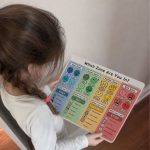
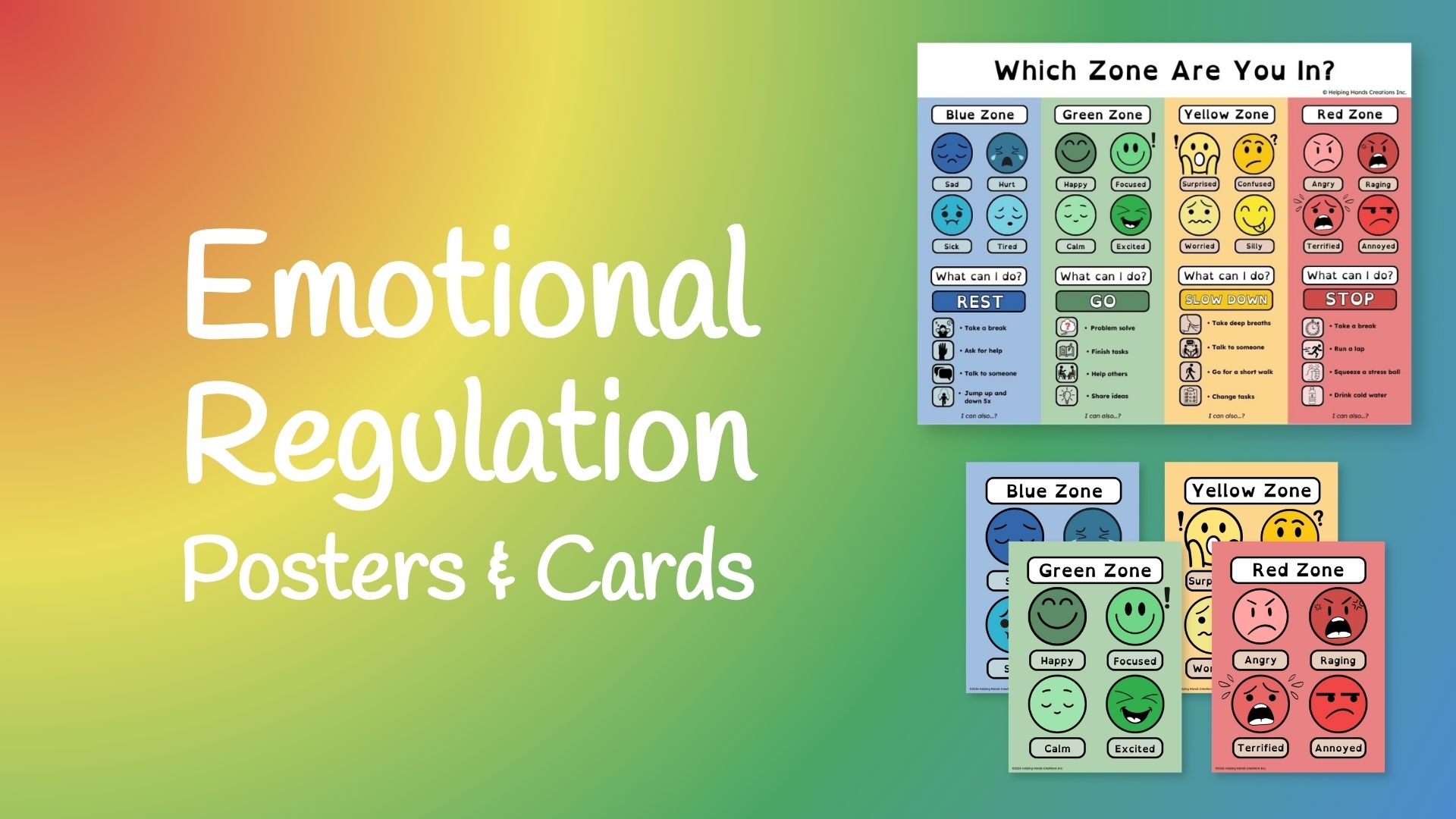
That is why today’s free resource is an emotional chart that you can use to guide your responses when you have big feelings and aid you in emotional regulation.
Why use visual tools?
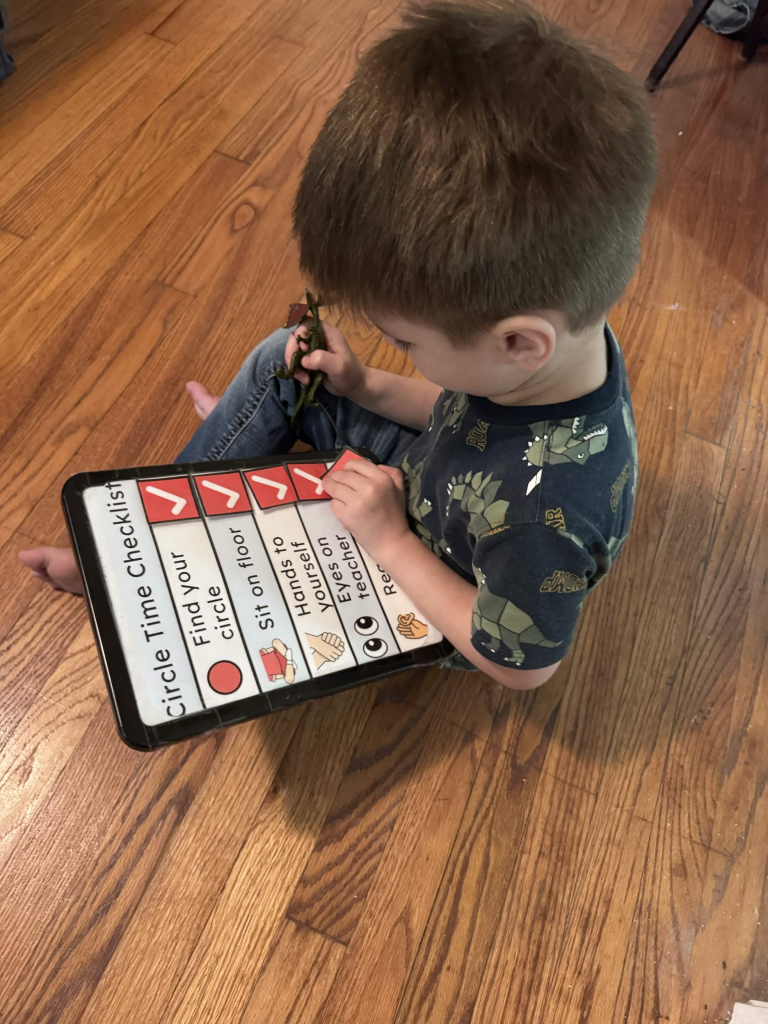
Visual tools support neurodivergent learning styles and communication. For neurodivergent people, this is important because communication skills often regress during distress. A visual chart gives structure when you are in physical discomfort and amid mental turmoil.
A chart is a guide of how to create a predictable routine.
What are the 4 color zones?
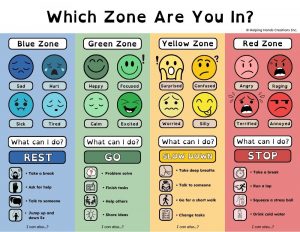
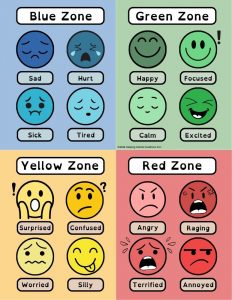
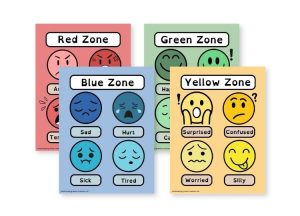
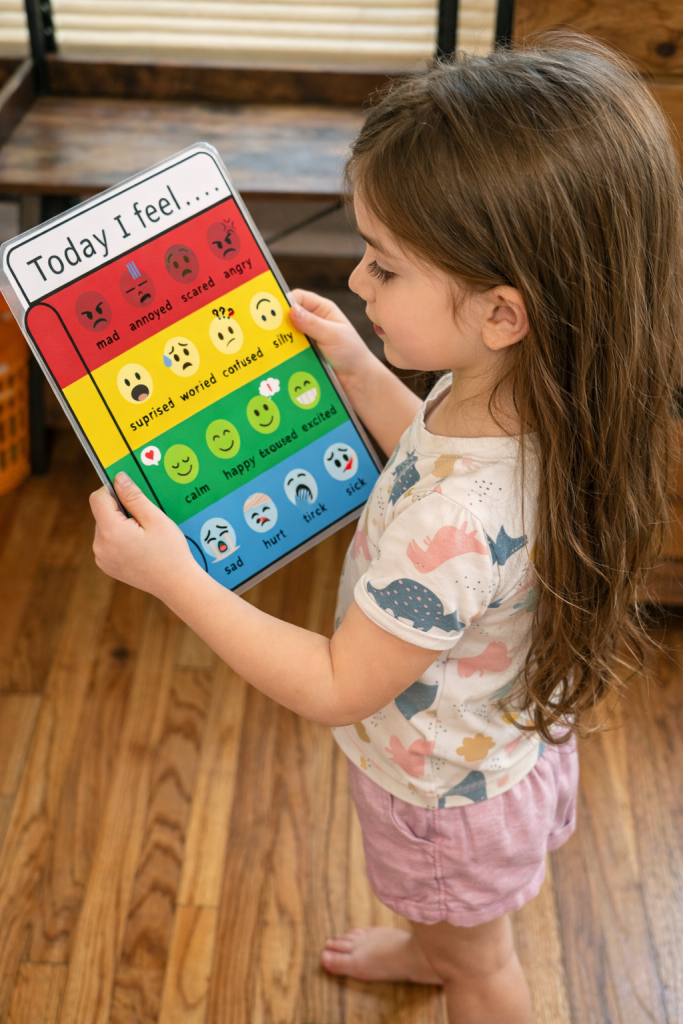
The four color zones are a simple way to organize emotions and behaviors:
Blue Zone — sad, hurt, sick, sleepy
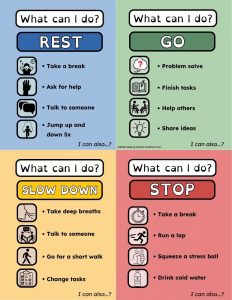
Your body feels slow or drained. Appropriate behaviors include resting, using comfort items, quiet activities, or asking for help. The goal is recovery.
Green Zone — happy, focused, calm, excited
Your body feels steady and ready to interact. Appropriate behaviors include learning, chores, socializing, or problem‑solving. The goal is participation and growth.
Yellow Zone — worried, surprised, silly, confused
Your body feels buzzy or unpredictable. Appropriate behaviors include slowing down, checking in, grounding strategies, or asking for reassurance. The goal is preventing escalation.
Red Zone — mad, annoyed, scared, angry
Your body feels painful, hot, shaky, full of movement, or overwhelmed. Appropriate behaviors include taking space, deep pressure, quiet environments, or safe next steps. The goal is to protect your nervous system and your boundaries.
Changing Our Emotional Responses
Teaching appropriate behaviors to neurodivergent people can be tricky. The common method is to shame or use anger to express future consequences.
But, if this is done without explaining what happened or the behaviors that are allowed? It’s setting neurodivergent people up for failure.
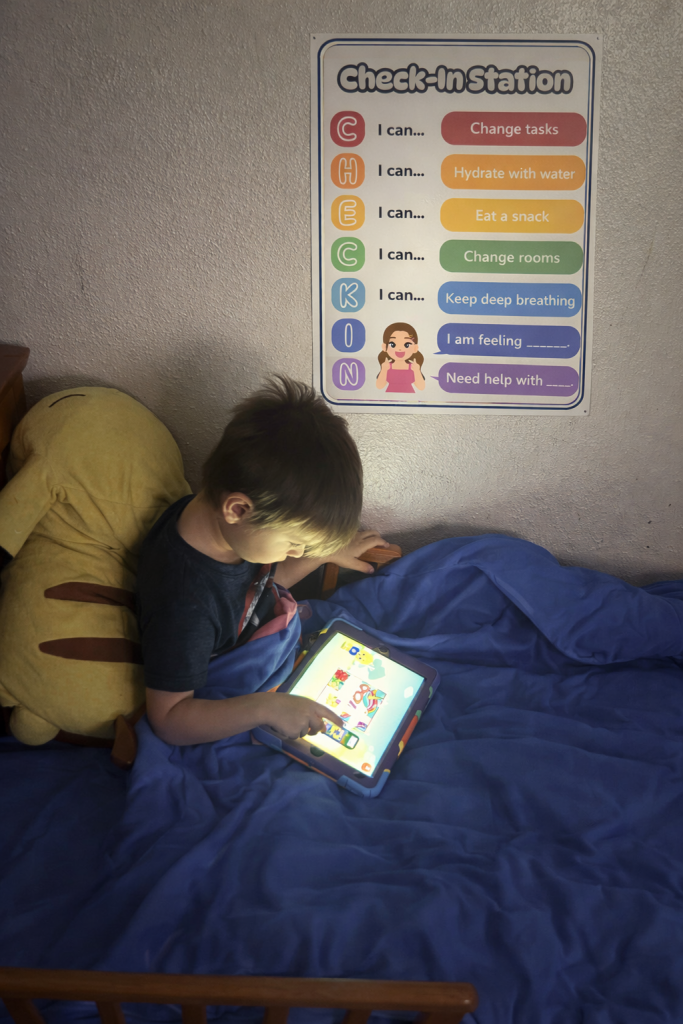
Neurodivergent people need clear, literal examples of what to do next. Adults should model calm behavior choices. Being angry isn’t the problem, punching someone or something is. By focusing on the result, we can help guide the behaviors to becoming more helpful ones.
Independence grows when neurodivergent people feel confident and safe in choosing their next steps.
In other words, neurodivergent people need the people around them to be understanding when they do take appropriate steps.
If a child says “No” or an adult “walks away”, if their responses are ignored or ridiculed? It is dismissing the communication being presented.
As you communicate appropriate behaviors, it’s important to not dismiss the neurodivergent person’s experience and to hear what their behaviors are trying to communicate.
Directions to use this chart:
Using the chart is simple: identify the zone, match it to a behavior list, and offer a few concrete choices. Keep the process short and pressure‑free.
Over time, these patterns become familiar. Neurodivergent people learn, “When I feel this, I can do this.” This reduces meltdowns, shutdowns, and communication breakdowns.
Emotional regulation is a skill, not a moral expectation. Neurodivergent people are not “overreacting.” Their bodies genuinely feel emotions differently. Even if you cannot relate to it being “painful”, it doesn’t change the fact that for many of us, it is.
Visual tools reduce shame, increase independence, and help build confidence in choosing appropriate behaviors.
What you can download at the bottom of this page:
- Emotional Regulation Poster: Emoji 4 emotional zones chart, a visual for emotional identification and next steps to support emotional regulation.
- Emotional Regulation Communication Cards: Supports neurodivergent communication by allowing the user to express their needs in portable cards.