
By a former special education teacher, AuDHD adult, and parent to neurodivergent kids.
Sensory Overload: You aren’t Alone
Some of the most anxiety inducing questions that autistic and ADHD people ask themselves are:
- Is what I am feeling real?
- Am I over-exaggerating?
- Will it always hurt?
This is my answer: yes, it is real.
No, you aren’t exaggerating.
While I can’t make sensory overload disappear, I can offer guidance and answers today on how to address some of the pain you or a loved one may experience from it.
For many neurodivergent people, our bodies have different needs than the typical person’s, and it can be hard to name those needs when people around you can’t relate. For autistic and ADHD individuals, being sensory overwhelmed isn’t “just in your head.” It’s a distressed state that needs support. When lights are too bright, sounds too sharp, or emotions too intense, the nervous system reacts as if it’s under attack.
Related article: 7 Tips for Autistic Meltdowns and ADHD Rage Episodes
What is Sensory Overload and what does it feel like?
Sensory overload is when the body cannot process information from its environment without the person experiencing negative symptoms.
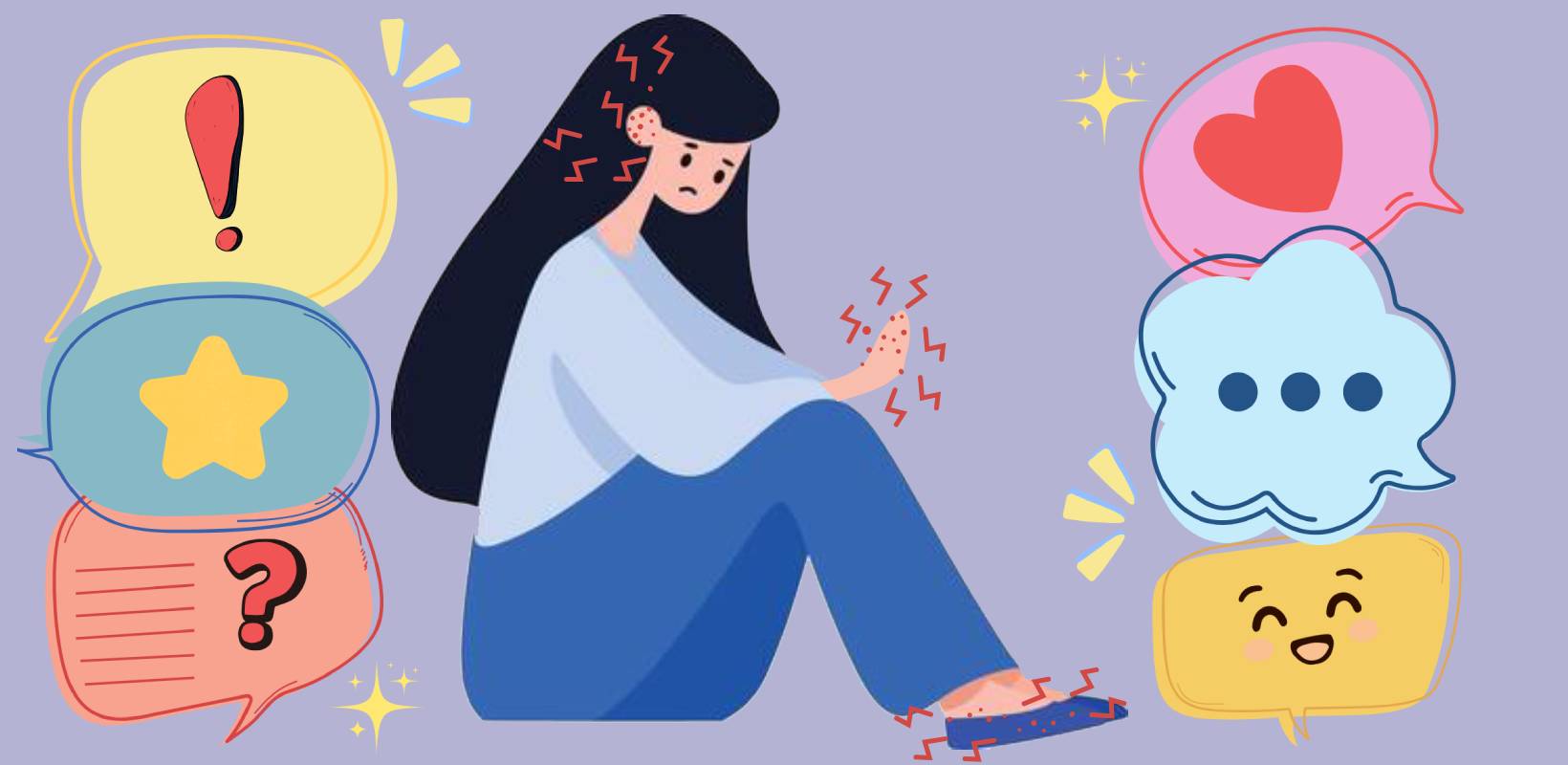
Sensory overload can feel like….
- Physical pain: buzzing, pins-and-needles, headaches, stomachaches
- Loss of control: difficulty speaking, moving, or thinking clearly
- Fight-or-flight response: heart racing, sweating, trembling
- Sudden mood shifts: irritability, shutting down, meltdowns, restlessness, or aggression
These aren’t exaggerations. They’re the body’s stress signals firing at maximum volume because filtering everyday sensory input has become difficult.
Example: my son sometimes hides his face when he first walks outside and will even fall to the floor from sudden overwhelm. He isn’t “making it up” because he doesn’t do it every time.
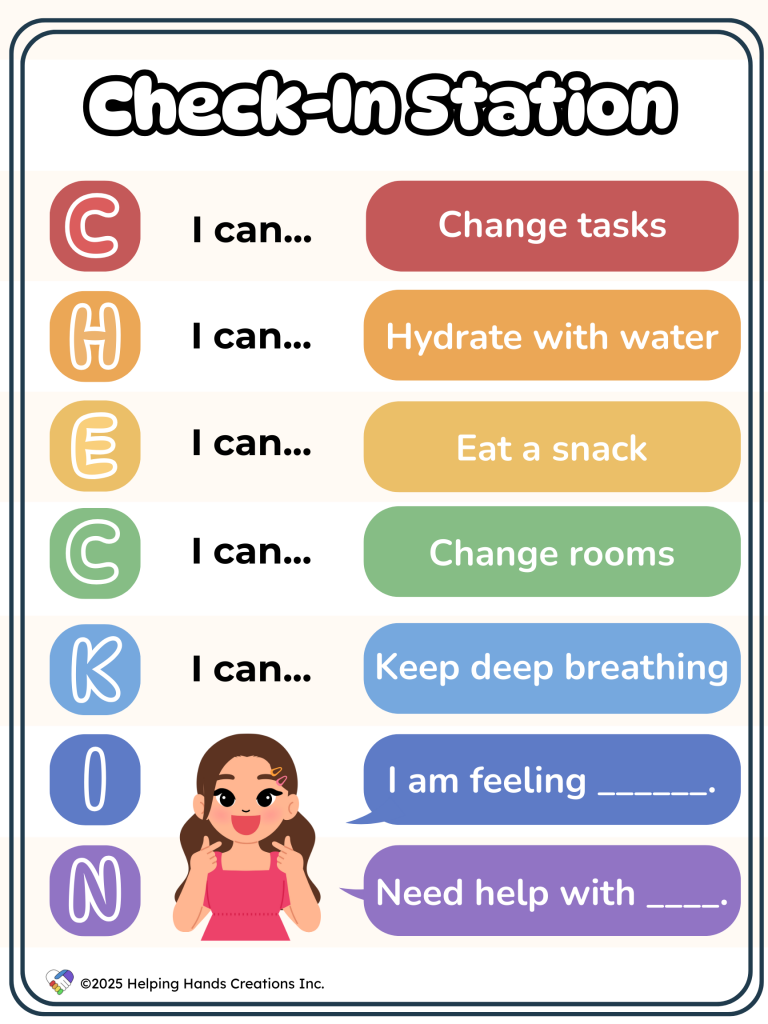
Source: Free Check-in Poster made by Helping Hands Creations Inc.
Check out our Premium Version of our Check-In Poster
Who Experiences Sensory Overload?
Well, anyone can experience sensory overload!
For your average person, however, it usually occurs during:
- Stressful life events
- During sickness or after an injury
- Before or after pregnancy
- High emotional or physical states
In those moments, even people without chronic sensory differences can struggle to process information. A common example is mothers of young children feeling “touched out” because of the constant close physical contact they are experiencing.
Autistic and ADHD people, however, experience sensory overload more often and more intensely in their daily lives. Even simple, everyday triggers like too much light or background noise can steadily degrade quality of life if left unaddressed.
Example: a classmate tapping a pencil might be barely noticeable most days but become the tipping point on an overwhelmed day.
Recognizing patterns and consistent triggers helps identify when sensory issues are significantly impacting daily life and help find solutions.
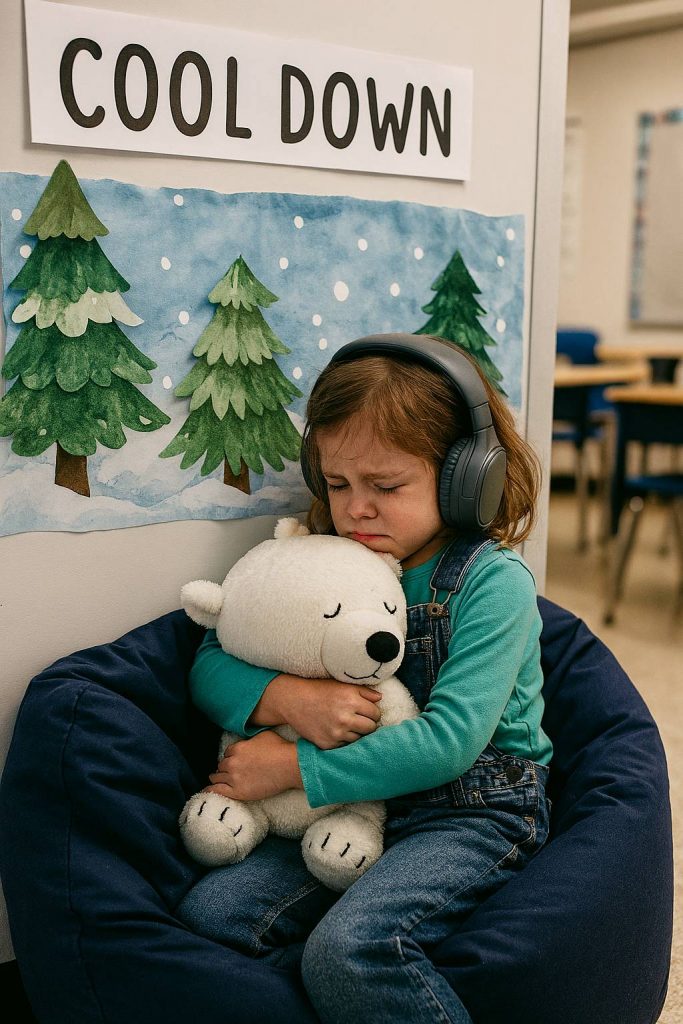
Source: AI generated image based on Sam’s former “Cool Down” corner in her classroom
Why Addressing Sensory Overload Matters
When the nervous system is flooded, advice like “just calm down” doesn’t work. They cannot comprehend your words. The body must be soothed first before thinking even becomes possible.
For young children or for those with communication struggles, this becomes even more difficult for them to explain their distress.
Teaching regulation strategies isn’t coddling or teaching “learned helplessness”, it’s giving the body tools to shift towards their emotional and physical baseline, so a person can return to their daily life functions. Learning to support sensory needs improves independence and their overall quality of life.
How to Address Sensory Overload: Two Goals
We need to do two things:
- Soothe the body during overloads.
- Support sensory sensitivities to prevent overloads.
Soothing helps in the moment; prevention lowers how often those moments occur.
How to Soothe Sensory Overloads?
Teaching regulation strategies matters because they give the body a way to reset. Practical, evidence-informed approaches include:
- Deep pressure: weighted blankets, firm squeezes, squeezing a pillow
- Body regulation: slow breathing, temperature shifts, small snacks, sipping water, or brief intense movement
- Calming sounds: fans, soft music, noise-canceling headphones
- Movement breaks: short stretches, rocking, walking
- Safe sensory tools: fidgets, chewelry, textured fabrics
- Dark or quiet spaces: a low-stimulation retreat to recover
These supports help the body recover from overload. Each could be expanded into its own article, but all share the same purpose: reduce physical distress and return the nervous system toward baseline.
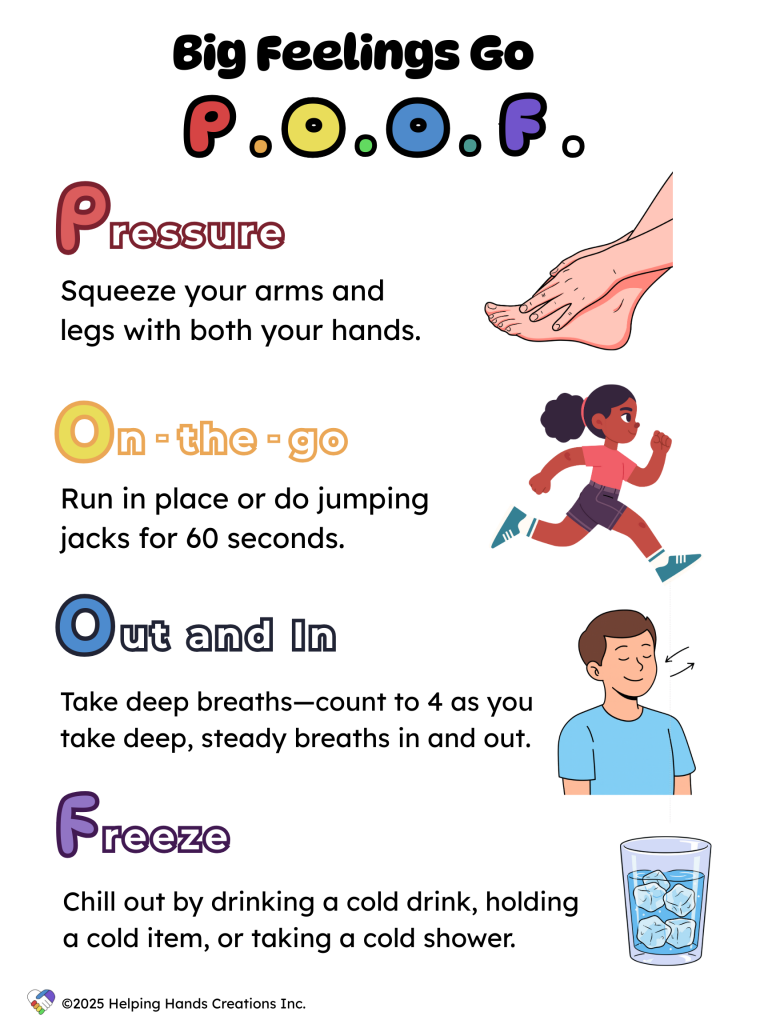
Source: Free Big Feelings Go Poof Poster made by Helping Hands Creations Inc.
Check out our Premium Version of our Big Feelings Go POOF Poster
How to Support and Prevent Sensory Overloads
Plan ahead and carry supportive items that match your triggers. Learn which senses affect you most and prepare for them:
- Touch: carry gloves or comforting textures.
- Smell: carry odor-blocker balms.
- Sight: carry sunglasses or a sleep mask.
- Regulators: carry regulating items like fidgets, chewables, or other familiar sensory tools to help someone regulate their body.
More Tips to Support ADHD or Autistic People through Sensory Overload
Develop a simple, practiced plan for what to do when overload starts.
Teach and practice regulation skills during calm moments so they’re usable in crisis, unpredictability is to be avoided as much as possible.
Let the person choose strategies when applicable — autonomy increases feelings of safety and confidence.
Start with predictable, small steps and then combine strategies (for example, deep pressure plus a quiet space) for better effect.
Use familiar, predictable strategies. Unfamiliar or sudden interventions can backfire if unplanned or practiced.
For example, if someone like me (hypermobility issues) were to suddenly do intense exercise without stretching, there’s an increased chance of injuries occurring.
So always consider the full needs and comfort of the individual when recommending strategies to use.
Also, never touch someone suddenly when someone is sensory overloaded. Touch is a sensory input, so even if it is done with good intentions, it could be painful. Try to ask for consent and warn the person in need of support by telling them your plans.
“Would it be okay for me to give you a deep hug?”
Conclusion
Autistic and ADHD people genuinely experience sensory overload more frequently than the average person. Their bodies and minds can be sincerely distressed and need to be supported. Teaching and supporting body-based regulation gives people back safety, comfort, and independence. Feeling comfortable should not be seen as a luxury; it’s a baseline we deserve to experience, even if it takes support to achieve.
💬Share Your Strategies: Have a tip your family or friends use? Please share it in the comments! We love to learn here.
🎯 Challenge yourself: pick one strategy from this article to try this week and note any change.
✨ If something doesn’t help, that’s okay — try a different tool or tweak how you use it.
