

By a former special education teacher, AuDHD adult, and parent to neurodivergent kids.
What do you mean toolbox?
While Batman can save the day without his tools, it makes his job a LOT harder!
He’s different from other superheroes, so he needs to use different tools.
Does it make Batman less of a hero for using tools? No! It makes him resourceful!
Getting the job done is more important than HOW it got done. Using tools gifts you independence and freedom.
How can tools impact neurodivergent people?
It depends on your needs! In this article, I’m going to break down how tools can help you in your day-to-day life.
There are many tools ready to help make your life easier. From technology to physical tools, we will break down different types here.
Just like Batman, neurodivergent people thrive when they have the right tools — not because we are “less than,” but because we were born with different bodies and minds with different needs.
What types of tools can I use?
There are different types of phrases for different tools and resources.
The main terms used here are:
- Assistive Tools
- Self-Regulation Tools
- Adaptive Tools
- Self-Accommodations
Before we build your toolbox, let’s define what each type of tool means and how they are different.
- Assistive Tools: help you complete tasks; e.g. timers
- Self-Regulation: Nervous system support; e.g. sound canceling headphones
- Adaptive Tools: Modifying tasks/environment; e.g. adaptive seating
- Self-Accommodations: Choices you make to support yourself; e.g. changing expectations
You may have heard of some of these terms before — some might be new. I will detail each type.
The goal is to find the tool that matches your needs. Not every type of tool needs to be one you use. Every toolbox will be unique to your needs to help you succeed.
What are Assistive Tools?
Assistive tools’ primary purpose is to “assist” you in completing a task.
The tool itself doesn’t complete the task. You are completing the full task. The tool helps make completion happen.
I personally believe we (neurodivergent people) tend to unintentionally make things harder for ourselves because we have so much “guilt”. Are we trying to fight the idea of being disabled or different? Maybe.
Assistive tools are used ALL THE TIME!! If your average neurotypical person sees no shame in using a highlighter when studying? Why should an autistic person feel guilty using one when reading through notes from their doctor?
Assistive tools surround us. From to-do lists to visual timers, many assistive tools can be found at a dollar store or on your smart phone.
“But I have used timers before, and they didn’t work.” That’s great! You eliminated what didn’t work. Now we can try a new tool. Don’t dismiss the usefulness of a tool until you have tried several versions of it. While a normal timer may not help me, a visual timer is AMAZING.
What Types of Assistive Tools Are There?
So there are 3 main areas of assistive tools I want to focus on:
- Time and Task Management tools
- Organization, Planning, and Writing/Reading tools
- Visual Memory and Recall tools
Time and Task Management Tools
Time and Task Management tools will help you with time blindness, time management, and guidance during tasks.
Things like cleaning can be overwhelming. There’s so much to do! Having a simple To-Do list and focusing on one task at a time genuinely helps.
I highly suggest trying both digital and physical versions of these tools.
Here’s a list of common time and task management assistive tools:
- Time and Task Management
- Timers and visual timers
- Alarms or reminders
- To-Do Lists (paper or digital)
- Step-by-Step checklists
- Habit Tracker
- Calendar apps with alerts
Here is a link to my favorite virtual timer! While simple, it genuinely helps me with time blindness. My kids also enjoy the shape options:
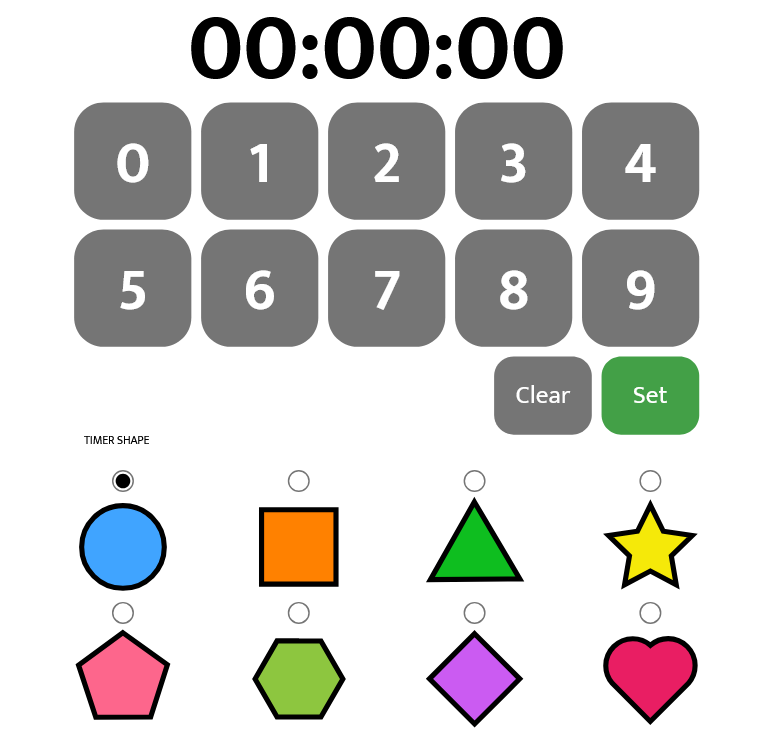
Source: Free Virtual Shapes Timer by Toy Theater
The next type of assistive tools are Organization, Planning, and Writing/Reading.
Organization, Planning, and Writing/Reading
I think many autistic and ADHD people struggle using this section of tools because you have to develop the habit.
The beauty of these tools is how helpful and common they are to use! People often decorate whole rooms, having these tools accessible and easy to read and see. Having a family member or friend to keep you accountable can also help. How? It can be as simple as taking a picture of your board’s notes and sending a picture once a week.
I would start small. Choose one tool at a time and master it before adding another.
If you have a backpack, keeping some items in your bag or purse can help a lot.
I personally love sticky notes on my phone’s widget, so I can carry the notes with me, and I see them every time I open my phone.
Here’s a list of common organization, planning, and writing/reading tools:
- Organization, Planning, and Writing/Reading:
- Color coding or labels
- Sticky notes
- Whiteboards or task boards
- Weekly planner
- Speech-to-text/Text-to-speech readers
- Highlights or overlays or line guides
Memory and Recall Supports
The last set of assistive tools I want to go over are very important to me personally: memory and recall supports.
I have extreme ADHD and face blindness. It is literally dangerous for me to not keep track. It impacts my jobs, relationships, and education. It’s important to develop tricks to help.
Writing things down all the time and taking notes IS annoying. I won’t mislead you and say it’s easy to get started.
But I am so much safer and healthier when I put in the extra effort.
Something as simple as getting people’s photo and describing how I know them in their contact info on my phone has saved me so much heart ache.
Having a poster reminds me all the things I need to “check-in” with myself when I don’t feel good.
My body is different. I struggle with food, drinking, and taking medicine. It helps me to use memory assistive tools.
- Memory and Recall Supports:
- Scripts
- Check-before-you-leave cards
- Meal planning templates
- Medication organizers
- Recovery Checklist
- Photos and descriptions in your phone’s contact list
If you struggle to recover when you are overwhelmed or sick, check out this poster I made! It’s a “checklist” of things I do when I am struggling to recharge.
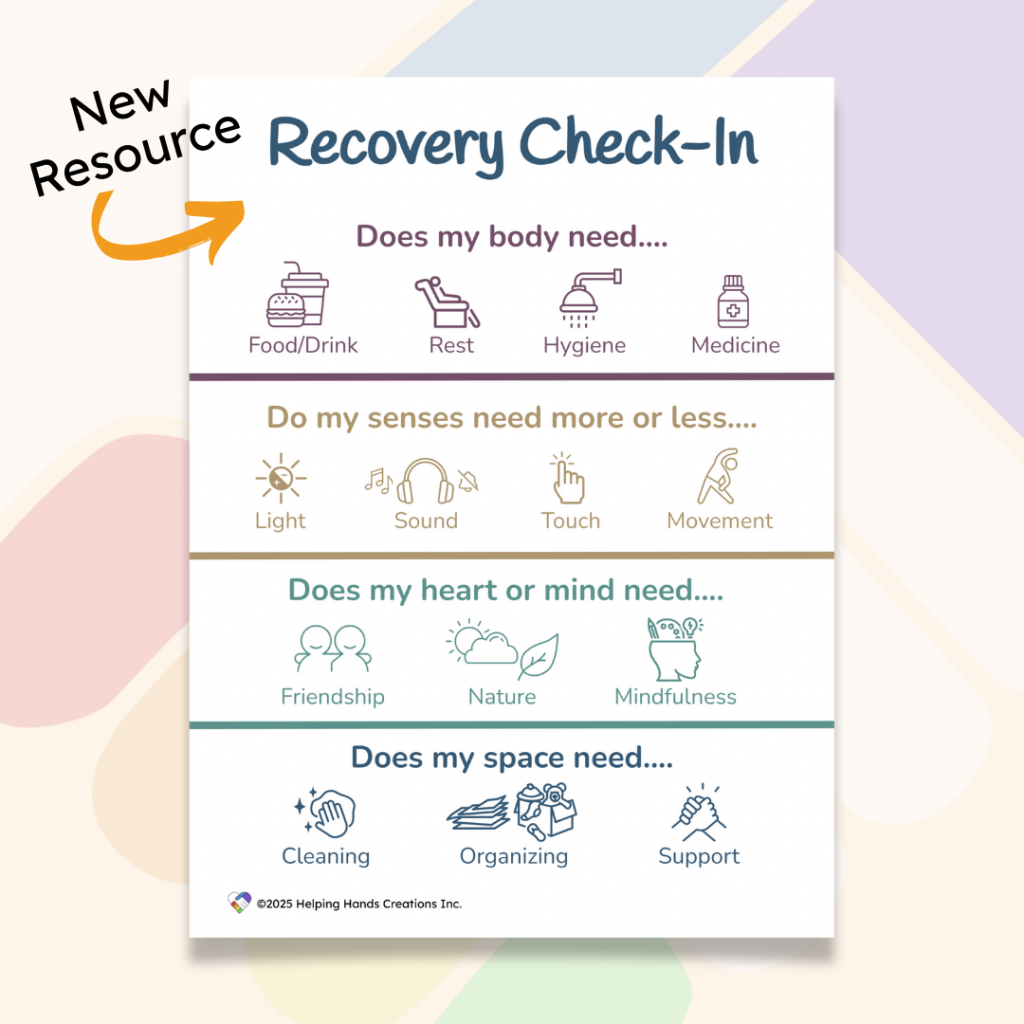
Source: Free Resource from Helping Hands Creations; Recovery Checklist
What are Adaptive Tools?
Adaptive tools are changes you make to the task or the environment, so it works better for you or your loved one. It’s not about fixing anyone — it’s about fixing the setup.
Example: if a typical seat isn’t working, there are wobble chairs or standing desks that might help.
Is the environment too loud? Add physical noise reduction items like noise-reducing panels or white noise machines to help.
Take a moment to consider if the environment is the problem, how can it change to make it easier?
Here’s a website with reasonable prices that offers LOTS of different adaptive tools!
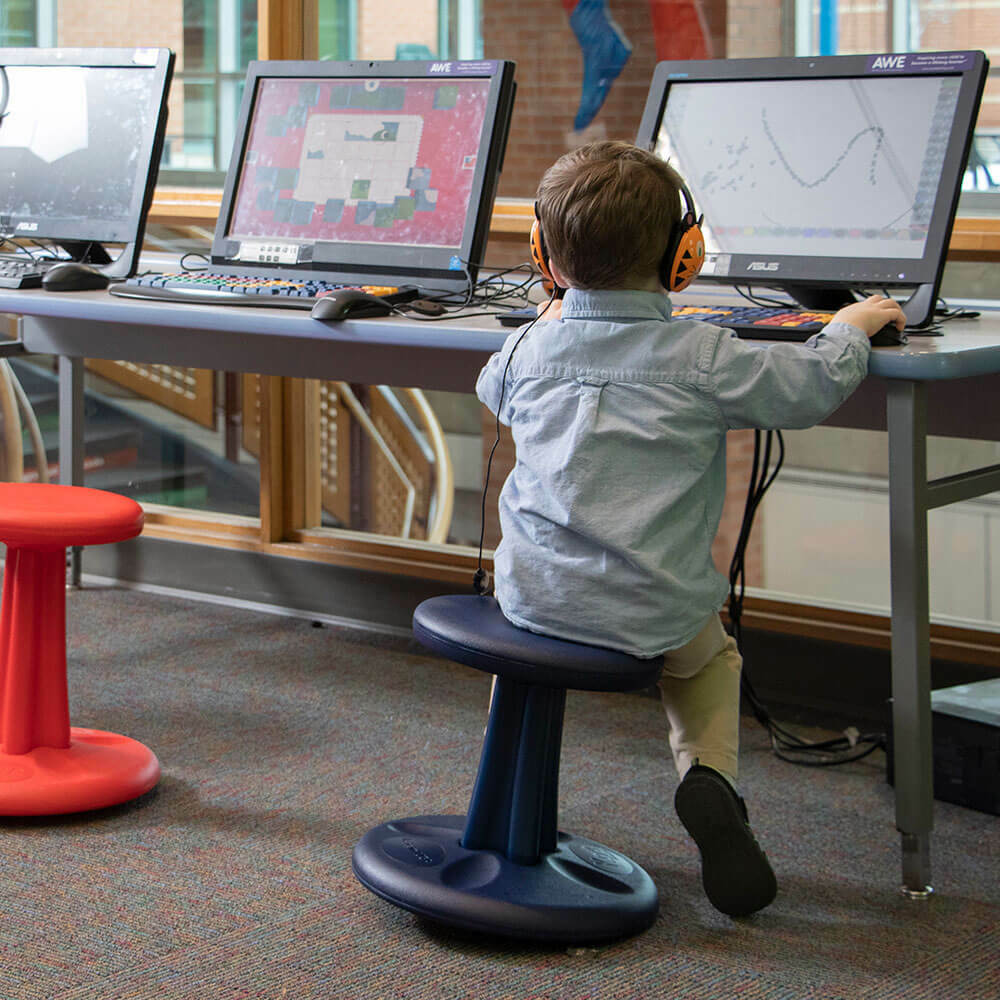
Source: Wobble Seat for sale at Sensory Tool House
What are Self-Regulation Tools?
When your nervous system is flooded, advice like “just calm down” may not work. The issue isn’t with your behavior. It’s your body that’s in distress. Self-Regulation Tools’ goals are to help your body return to your usual day-to-day self.
There are many types of self-regulation tools:
- Stim toys
- Massagers
- Fidgets
- Weighted blankets
- Etc.
I want to highlight the importance of problem solving when choosing self-regulation tools, while also highlighting autistic friendly businesses — some products I personally use for my family’s self-regulation, and I hope you find helpful, too!
Example: a child is scratching themselves. That’s a self-harming behavior we want to address.
To target the behavior, try a scratch bracelet! It is trying to meet the need of scratching in a safer way.

Source: Pam’s Sensory Bracelet’s in her Esty Shop
Another example: some sensory seeking neurodivergent people may need a type of stimulation, but want to be discrete.
Another strategy could be using the sense of smell. Try scented jewelry or a subtle scent oil drop on the back of the neck can be enough to focus on.
Perfumes are too much for me, but a drop of citrus or mint oil can be great to focus on.
Here’s a shop that is neurodivergent friendly and sells essential oils!
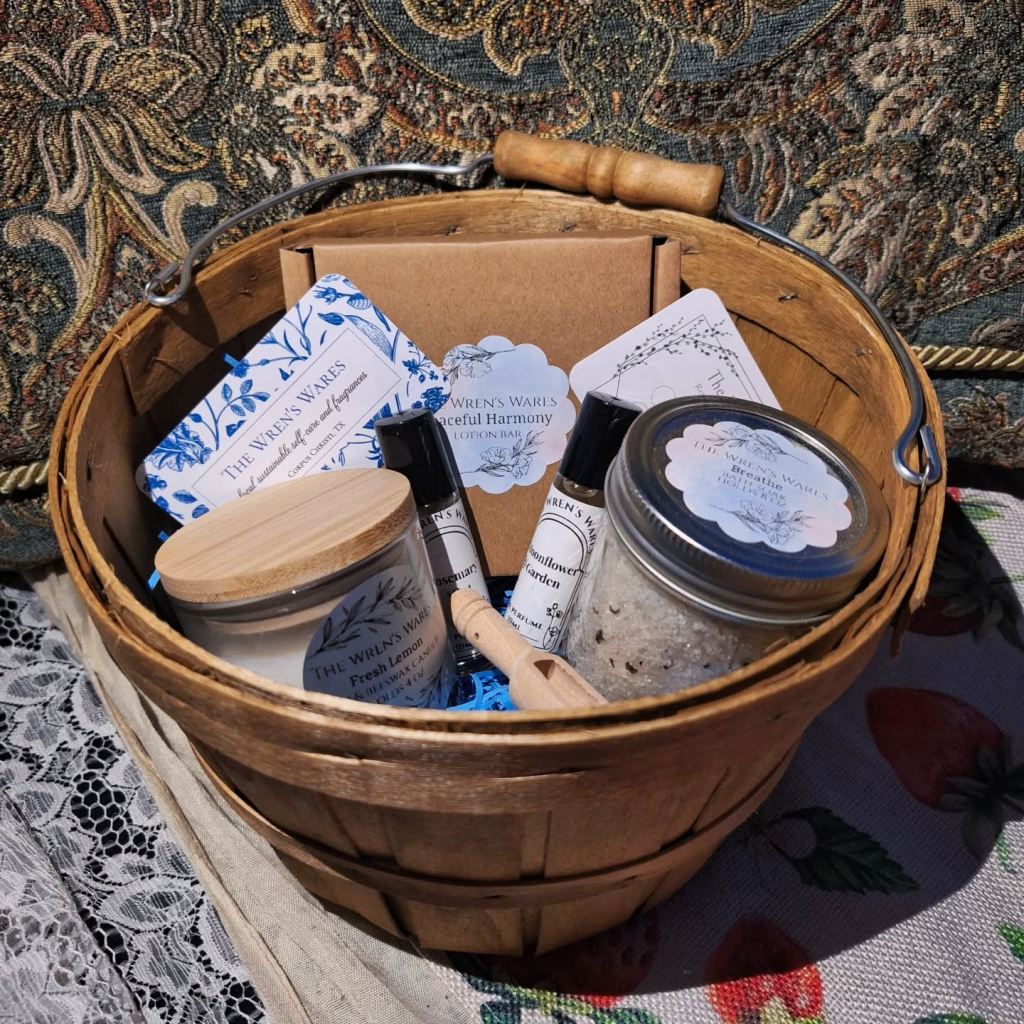
Source: The Wren’s Wares; sustainable self-care and fragrance
So far, I’ve talked about different support items, but none of these items are useful unless you use them.
What does Self-Accommodations mean?
One of the greatest challenges for neurodivergent people is knowing they need help.
Before I was diagnosed with autism and ADHD, I had no idea what my body wanted from me!
I was anxious, constantly sick, and had constant conflicts because I was so overwhelmed, and others didn’t understand why I would pick at my face, struggle to remember events, or move constantly.
The beauty of being diagnosed? You discover you have different needs, and you can start to investigate how to meet those needs.
You don’t need anyone’s permission to buy a special chair to use at home or to use your phone to keep track of people you know.
People adapt to their lives everyday. Just because your “adaptions” look different doesn’t mean anything.
Be proud of prioritizing yourself, your hard work, and dedication to taking care of yourself.
It’s not easy, but mastering the tools available to you is how you become the best version of yourself.
Conclusion
Autistic and ADHD people experience life differently than your average person. It’s no one’s fault; we are just born with different bodies and minds. Know this: there are tools out there designed to make life easier and support you to thrive in your day-to-day life. It takes time to discover what works. We are here to support you in your journey.
💬 Share Your Toolbox: Have a set of tools or tips you use? Share in the comments!
🎯 Challenge yourself: pick one tool from this article to try this week and note any changes.
✨ If something doesn’t help, that’s okay — try a different tool or tweak how you use it.
